theBrief. Get the app

World — Monday, August 10, 2026

World,
briefly.

17 stories, written and narrated in a calm newsroom voice. No sirens, no outrage bait — press play and let the edition carry you through.

World

WorldAP News

47 dead and buildings collapsed after 7.4-magnitude earthquake shakes western Colombia

Buildings collapsed across the coffee region of Colombia after a 7.4-magnitude earthquake struck on Wednesday. The quake hit near the Pacific coast in the western part of the country, killing at least 47 people and leaving dozens more missing under rubble. Cauca and Valle del Cauca provinces saw the heaviest damage, with rescue teams working through the night to pull survivors from collapsed homes and schools. The tremor was felt across a wide area, triggering power outages and damaging roads that now complicate relief efforts. Colombia's disaster agency says the full extent of damage is still being assessed, though initial reports suggest the toll will likely rise as search operations continue in the coming days.

AP News ↗

WorldReuters

Austria breaks up sanctions-evasion scheme supplying Russian arms industry

Austrian authorities have dismantled a sanctions-evasion network that was supplying high-tech components to Russia's defense industry despite European Union restrictions. The Vienna-based operation sent specialized equipment to Russian arms manufacturers, circumventing export controls designed to limit Moscow's military production capacity. This marks the latest in a series of European enforcement actions against illicit supply chains feeding Russia's war effort. Austrian officials are now working with EU partners to trace the full scope of the network and identify other potential breach points in the sanctions regime.

Reuters ↗

WorldBBC

Typhoon Dolphin: China evacuates more than 1 million people as massive storm arrives

China's east coast sits in the path of Pacific typhoons each year, and officials have evacuation protocols in place. But the scale of storms varies widely, and preparation depends on forecasts that can shift. That changed this week. Typhoon Dolphin made landfall on China's eastern coast as the year's most powerful storm to reach the region. Authorities evacuated more than a million people from coastal provinces, shutting ports and suspending flights across Shanghai and surrounding areas. The storm also swept through southern Japan, forcing the closure of Okinawa's airport and disrupting transport across the region. Heavy rain and wind gusts are expected to continue through the coming days. The evacuations reflect how seriously officials now treat these forecasts.

BBC ↗

WorldNBC News

Wildfires burning in British Columbia force 20,000 to evacuate

An eighty-year-old woman died in Summerland, British Columbia, as wildfires forced twenty thousand residents to evacuate the region. The Bald Range fire has spread rapidly across the province, overwhelming evacuation routes with smoke so thick that drivers can barely see the road ahead. Authorities say conditions are worsening, with no containment in sight. Residents in surrounding communities have been ordered to leave, and those who remain are being told to prepare for the worst. The scale of the evacuation underscores how quickly these fires can outpace the ability to get people to safety.

NBC News ↗

WorldThe Washington Post

Netanyahu rejects Trump-backed Gaza plan for Hamas disarmament, Israeli withdrawal

Prime Minister Benjamin Netanyahu has rejected a Trump-backed plan that would require Hamas to disarm and Israel to withdraw from Gaza. The proposal, which the Trump administration had presented as a framework for ending the conflict, called for phased Israeli military pullback alongside Hamas's dismantling. Netanyahu's rejection signals deepening friction with Washington over the terms of any Gaza settlement, even as the U.S. remains Israel's closest ally. Israeli officials are expected to present their own conditions for any future agreement in coming weeks.

The Washington Post ↗

WorldAl Jazeera

Syria says it reached deal with Moscow on future of Russian bases

In Damascus, officials announced they'd settled months of quiet negotiation with Moscow. The two countries have agreed on new terms for Russia's military footprint on Syrian soil. After eighteen months of talks, Syria and Russia have reached a framework for the future of two strategic bases: Hmeimim airbase and the naval facility at Tartous. The deal allows Syria greater oversight of the installations, though Russia retains operational presence. The arrangement reflects a shift in their relationship since Russia's 2015 intervention in Syria's civil war. Neither side has released full details of the agreement. It's a recalibration of one of the Middle East's most consequential military partnerships.

Al Jazeera ↗

WorldReuters

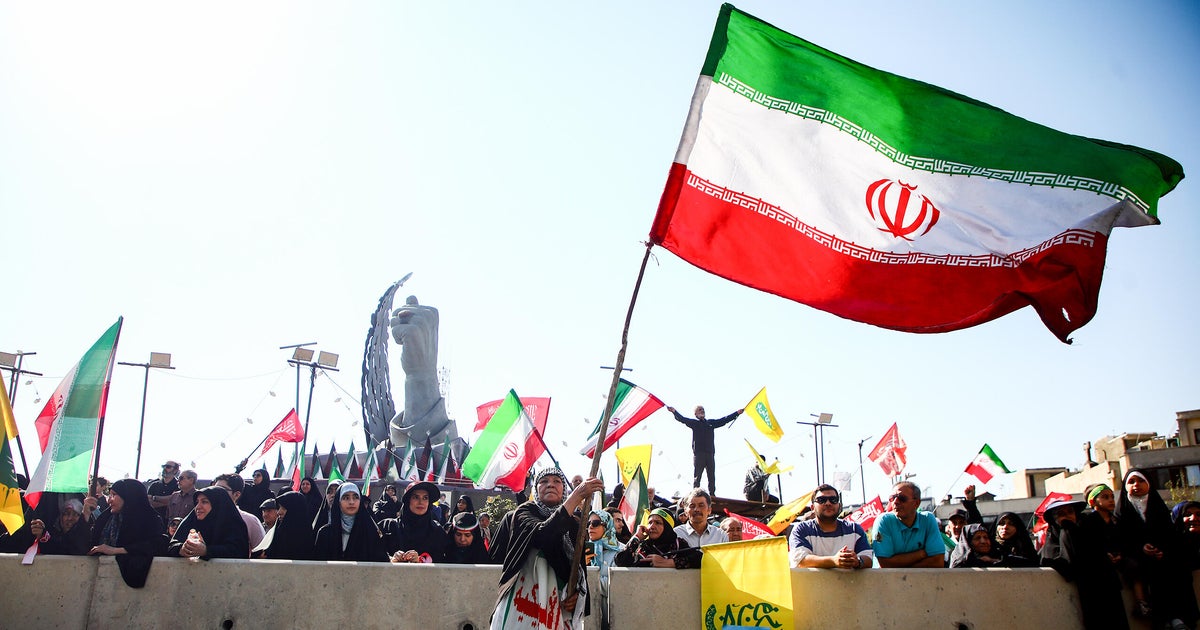
Iran says deal on Strait of Hormuz is close but not enough to open the waterway

In a conference room in Tehran, officials are laying out conditions. They've drafted a list. A deal on the Strait of Hormuz, they say, is within reach—but only if certain demands are met first. Iran's government is signaling it won't reopen the waterway that carries roughly a third of the world's traded oil without concessions from the United States. President Masoud Pezeshkian's administration is seeking sanctions relief and what it calls a correction of American behavior in the region. The sticking point: Iran views the current blockade as an economic threat, one that could destabilize the country. Negotiations are ongoing, but Tehran's position is firm. The strait remains closed for now.

Reuters ↗

WorldThe Guardian

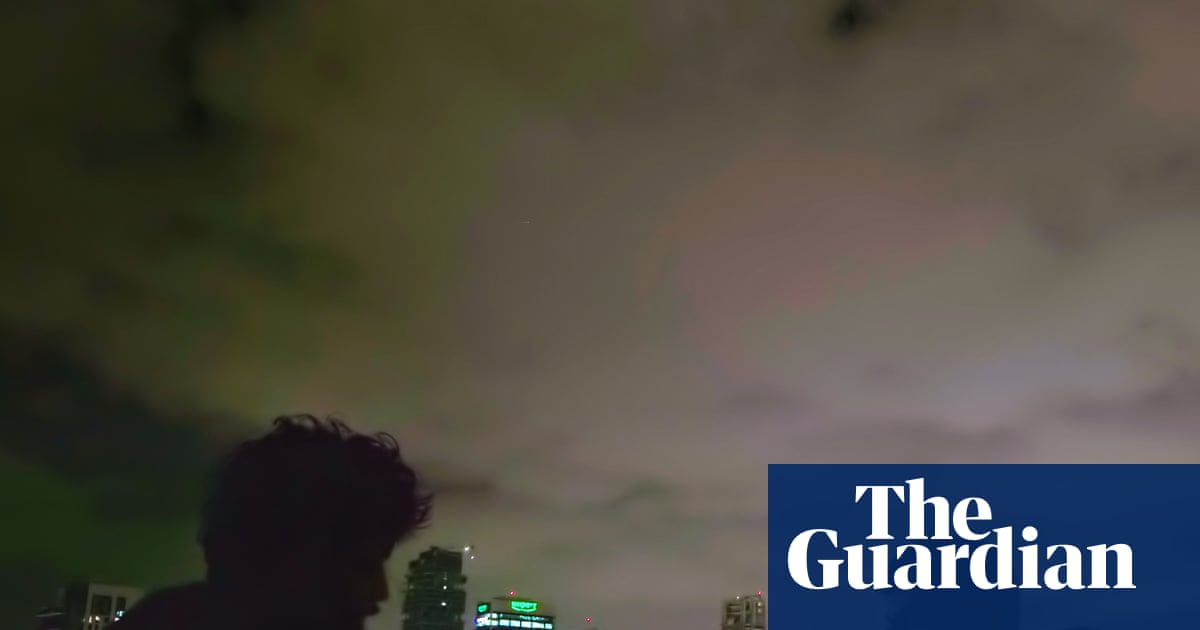
US promises $1bn in security aid to Colombia as new rightwing president pledges drugs crackdown

The United States has committed one billion dollars in security aid to Colombia, announced on the first day of the country's new right-wing president, Iván Duque. The package includes military equipment and training aimed at combating drug trafficking organizations. Colombia remains the world's largest cocaine producer, and the new administration has pledged an aggressive crackdown on what it calls narco-terrorism. The aid represents a significant expansion of U.S. security cooperation in the region, part of a broader effort to counter drug production at its source. Implementation of the program begins immediately.

The Guardian ↗

WorldReuters

'Mom, don't call me': Inside Thailand's deadly school shooting

A classroom in Nakhon Ratchasima province sits empty now. Desks arranged as they were. The quiet after. On Wednesday, a 14-year-old boy opened fire at his school in northeastern Thailand, killing nine people—among them a 12-year-old student and five teachers. He'd killed his grandparents first, at home. Police found him hours later in a shopping mall nearby. It's the deadliest school shooting Thailand has recorded in recent years. One survivor, a teenage girl, described hiding in a bathroom, telling her mother not to call—afraid the ringing would give away her location. The boy remains in custody. The school remains closed.

Reuters ↗

WorldCBS News

Iran War Updates: Iran targets ship in Strait of Hormuz even as it says deal is close

For years, the Houthis—an Iran-backed militant group in Yemen—have launched sporadic attacks on Saudi-backed forces and regional shipping. The conflict's simmered at a low burn, contained mostly to Yemen's borders. That's shifting now. The Houthis have intensified strikes on government-held positions, killing two civilians in a recent attack on Marib, a key city in Yemen's north. The escalation's prompted Saudi Arabia, Pakistan, and Turkey to formalize a NATO-style defence pact this week, a sign the region's bracing for wider conflict. Meanwhile, Senator Ted Cruz has called for the incoming Trump administration to arm Iranian protesters—a separate but related pressure point. Analysts say the risk now is that Yemen's civil war, dormant for months, could reignite entirely.

CBS News ↗

WorldReuters

Typhoon Dolphin hits Japan's Okinawa, China shuts ports ahead of landfall

Typhoon Dolphin is moving across the western Pacific, bringing severe weather to Japan and China over the coming days. Japan's already dealing with the aftermath of a recent earthquake, and now it's ordering evacuations in Okinawa while canceling around five hundred flights. Meanwhile, Toyota's suspended seventeen production lines across nine plants, compounding supply chain strain that the earthquake had already created. In China, authorities are shutting ports and closing schools across the eastern regions in Dolphin's path, a precaution that suggests they're expecting significant impact. The timing here matters—Japan's infrastructure is still recovering, which means this storm arrives when resilience is already stretched thin.

Reuters ↗

WorldFox News

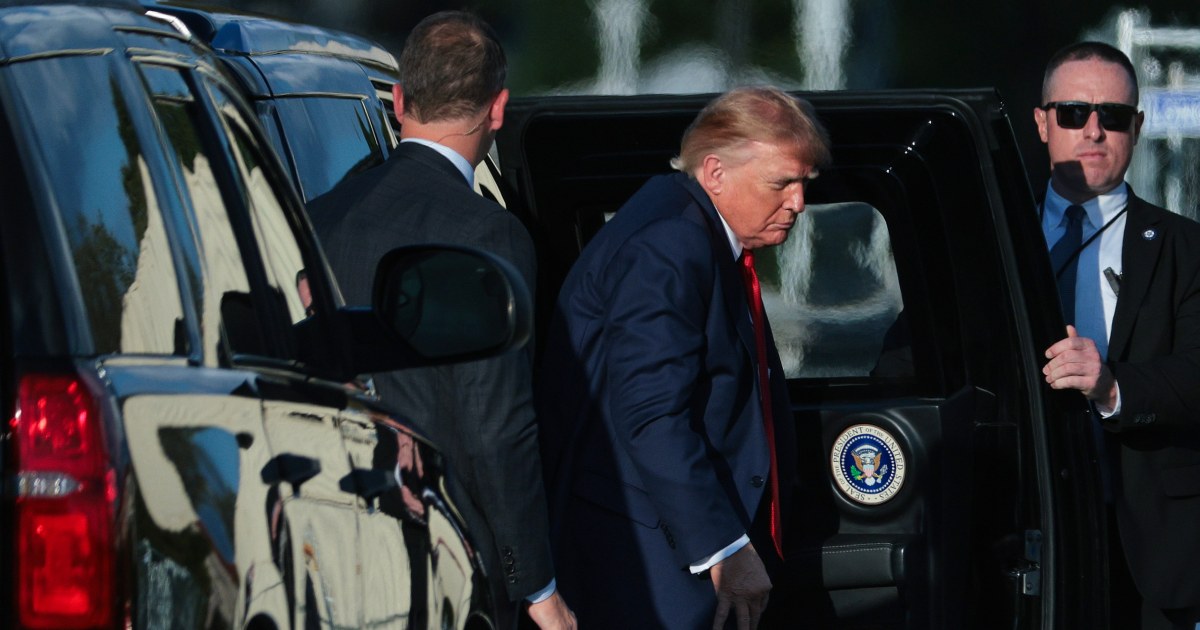
Trump says agreement with Iran to reopen Strait of Hormuz ‘could be soon’

In the waters between Oman and Iran, one of the world's most critical shipping lanes sits at the center of tense negotiations. The Strait of Hormuz, through which roughly a fifth of global oil passes, has been a flashpoint for months. Now, according to Trump, an agreement to reopen it could come soon. Iran's government says a deal is close, but only if the US meets certain commitments first. A US official told Reuters they expect an arrangement between Iran and Oman within days. What's notable: Oman's role as intermediary suggests both sides are willing to use a third party rather than negotiate directly. For now, the strait remains contested, and the timeline remains unclear.

Fox News ↗

Worldaljazeera

De la Espriella sworn in as Colombia’s leader, vows armed group crackdown

De la Espriella took the oath as Colombia's president this week, pledging a direct confrontation with armed groups that have destabilized the country for decades. The rightwing leader inherits a nation where drug trafficking networks and rebel factions control significant territory, particularly in rural areas. The United States is backing the effort with a billion dollars in security aid, signaling Washington's commitment to the partnership. De la Espriella's approach marks a shift from his predecessor's peace-focused strategy toward enforcement and military action. The practical effect will be felt immediately in coca-growing regions and along trafficking routes, where operations are expected to intensify. Whether this crackdown can succeed where previous efforts have faltered remains an open question for Colombia's new leader.

aljazeera ↗

WorldCBS News

U.S. intelligence agencies warn Putin could test NATO by authorizing provocative actions

In a secure briefing room, U.S. intelligence officials are reviewing intercepts and satellite imagery. The assessment is methodical, unsentimental. Vladimir Putin, they've concluded, may authorize limited military action—not a full invasion, but something calibrated to test NATO's response. The concern centers on what officials call a "probing attack." It wouldn't be designed to seize territory or topple a government. Instead, it'd be a deliberate provocation—perhaps a cross-border incursion into a NATO member state—meant to expose fractures in the alliance's unity and resolve. What's notable: the intelligence community isn't predicting imminent action. They're describing a possible scenario Putin might consider if he believes NATO's commitment has weakened. The alliance remains on watch.

CBS News ↗

WorldAl Jazeera

Saudi ⁠Arabia, Pakistan and Turkiye sign defence deal amid regional turmoil

Three countries that rarely act in concert have just signed a mutual defence agreement. Saudi Arabia, Pakistan, and Turkey formalized what amounts to a NATO-style pact this week, binding themselves to collective security. The move comes as tensions with Iran simmer across the region—from Yemen's Houthi attacks on shipping to proxy conflicts that've drawn in multiple players. Each nation brings something different to the table: Saudi wealth and regional weight, Pakistan's military capacity, Turkey's NATO membership and strategic position. What's notable is the speed. These aren't natural allies—their interests have often pulled in different directions. But the agreement suggests they've decided the risks of standing alone now outweigh old rivalries. Whether it holds depends on whether shared threats prove stronger than shared suspicions.

Al Jazeera ↗

WorldNPR

Colombia's new president vows to remake the country — and challenge its fragile peace

Colombia's new president, Gustavo Petro, took office last year on promises to reshape the country's approach to drug trafficking and armed groups. His government has pursued negotiations with rebel factions while also intensifying military operations in key regions. That strategy's now facing its first real test. This week, the Trump administration fast-tracked a military partnership with Colombia, deploying additional U.S. personnel and resources to target cocaine production networks in the country's interior. The move signals Washington's preference for a harder line than Petro's mixed approach of dialogue and force. Colombia produces roughly 70 percent of the world's cocaine, making it central to U.S. drug policy. How Petro navigates between his reform agenda and American pressure will shape the region's stability for years ahead.

NPR ↗

Worldcnn

Live updates: Teen gunman dead after killing teachers in Thailand’s worst school shooting in years

A fourteen-year-old gunman killed at least seven people at a high school outside Bangkok on Thursday before police shot and killed him. Thai authorities say the teen first killed his grandparents at home, then opened fire at his school, where he killed five teachers and wounded more than thirty others. It's the deadliest school shooting in Thailand in years. The country has strict gun laws, making such incidents rare. Investigators are now examining what motivated the attack and how the shooter obtained his weapon.

cnn ↗

Your brief, every morning

theBrief turns headlines like these into a personal audio show. Your topics, your length, CarPlay included.

Download on the App Store